How to Get More Out of a Museum Visit
Plan a short museum visit around one question and a few stops, give each enough time, and follow one detail home.

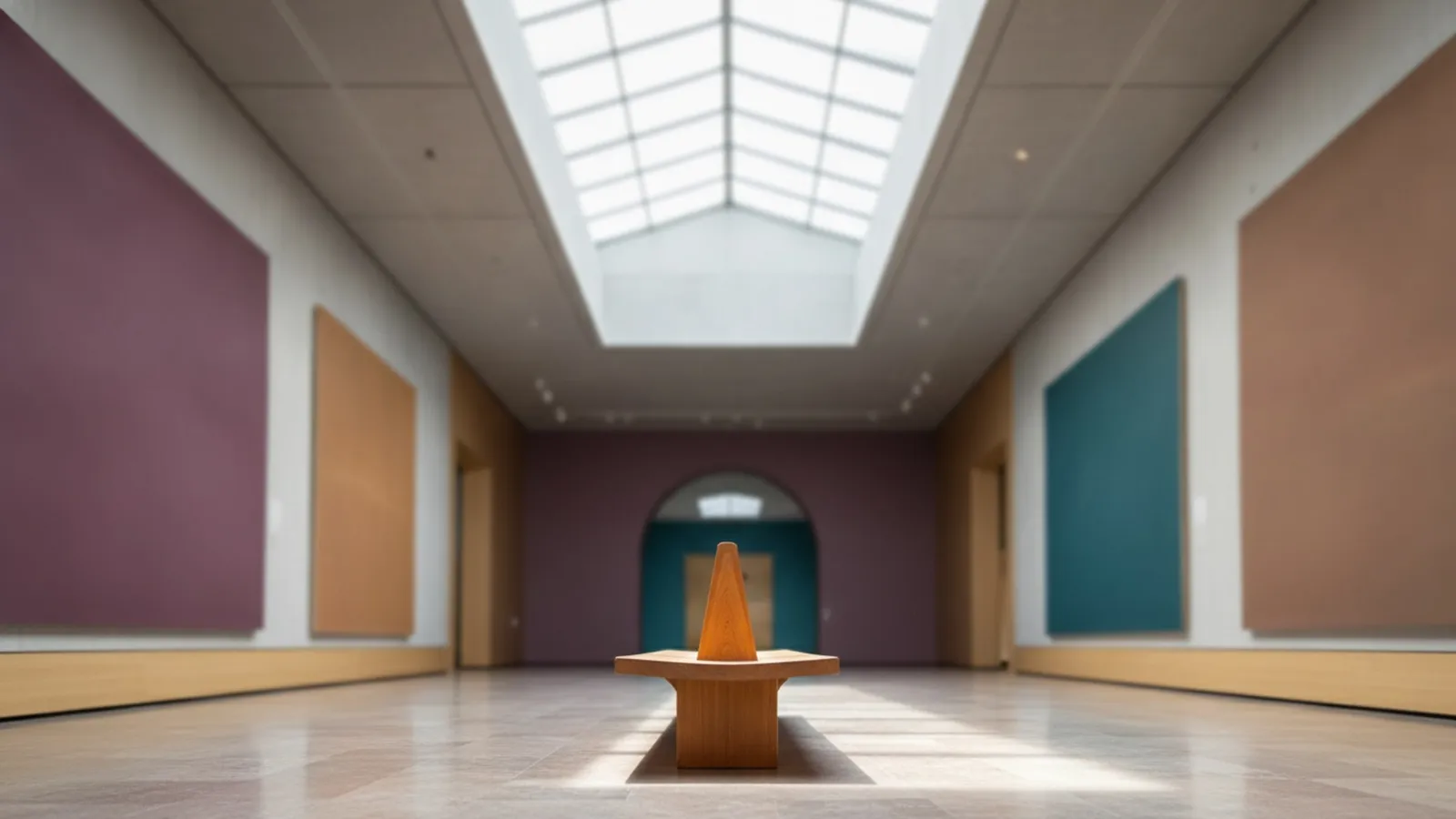
Before you leave for the museum, decide on one thing you want to spend time with. It could be an object you saw on the museum’s site, a room with furniture or clothes, or a question about how people used to make something. That first choice gives your visit a direction. You can leave the rest of the time open for whatever catches your attention.
Pick a question and two or three stops
Try an ordinary question. What can you tell about a room from the things people kept in it? How did someone make the blue on this piece of pottery? What changes when the same building appears in two paintings? You can bring a question born of curiosity, even if you know very little about the subject.
Look at the museum’s map or collection notes. Find one object or room likely to give you a starting point and one nearby stop that adds something different. If a particular work matters to you, confirm it’s on display before going. Check how you’ll get around and what would make the visit comfortable, such as seating, elevators, verbal descriptions, or a quieter place to take a break. Museums can tell you what they offer and whether you need to arrange anything in advance.
Spend enough time to see something change
Give your first object a few minutes before moving on. See what you notice before reading the label, then read it and look again. Perhaps a piece of clothing has repairs you missed, or an account from the period reveals that an ordinary-looking bowl was made for a ceremony. If you’re using a verbal description, pause after the description and see what you’d like to hear or ask about again. Bucketlist Experiences explains how to visit a museum through verbal description, including recordings you can use and how to follow each museum’s guidance on who a tour is for.
At the second stop, return to the same question. If you started by looking at how a piece of furniture might have been used, ask what a photograph or diary can show about the people in the room. Take a short note if you want, or say what you noticed to somebody with you. A few words can be enough to remind you why you stayed.
Make room for a companion to see something different
If you visit with someone, each pick one thing to show the other person. Ask what caught their attention. Perhaps you noticed the painter’s color and they noticed which people the painting leaves out. Use the difference to look again. Give yourselves room to split up and meet at a bench or entrance later if you want to move at different speeds.
If you go alone, choose a point when you’ll stop and decide whether you want to see more. A bench near the room you came for may give you time to go back once. You might also discover you’ve seen enough for the day. You can leave with a question to bring to another visit.
You can use the same plan with a museum you can’t visit in person. Open a collection record and a second object or image from the same period. Look at the dimensions, the materials, and how the items are described. If the museum has audio or a transcript, try that before returning to the pictures. Keep the two links together so you can find them again when something on a later visit reminds you of the question.
Follow one detail home
Imagine you came to see an early photograph of your city. You notice a shop name you recognize and a street you’d never thought to look at from that angle. Take one detail home to pursue. You could look up another picture of the street, walk past the place the next time you’re nearby, or ask someone who remembers it. If you came for an object from far away, see whether the museum has another example or an account of how it was made.
Before you go, decide what you’d tell a friend about the visit. “I learned why that window mattered in the painting” gives you something to remember and something you can look for in another museum.