How to Learn About Another Culture Close to Home
Start learning about another culture through local events and reading, ask better questions and let one experience lead to another voice.

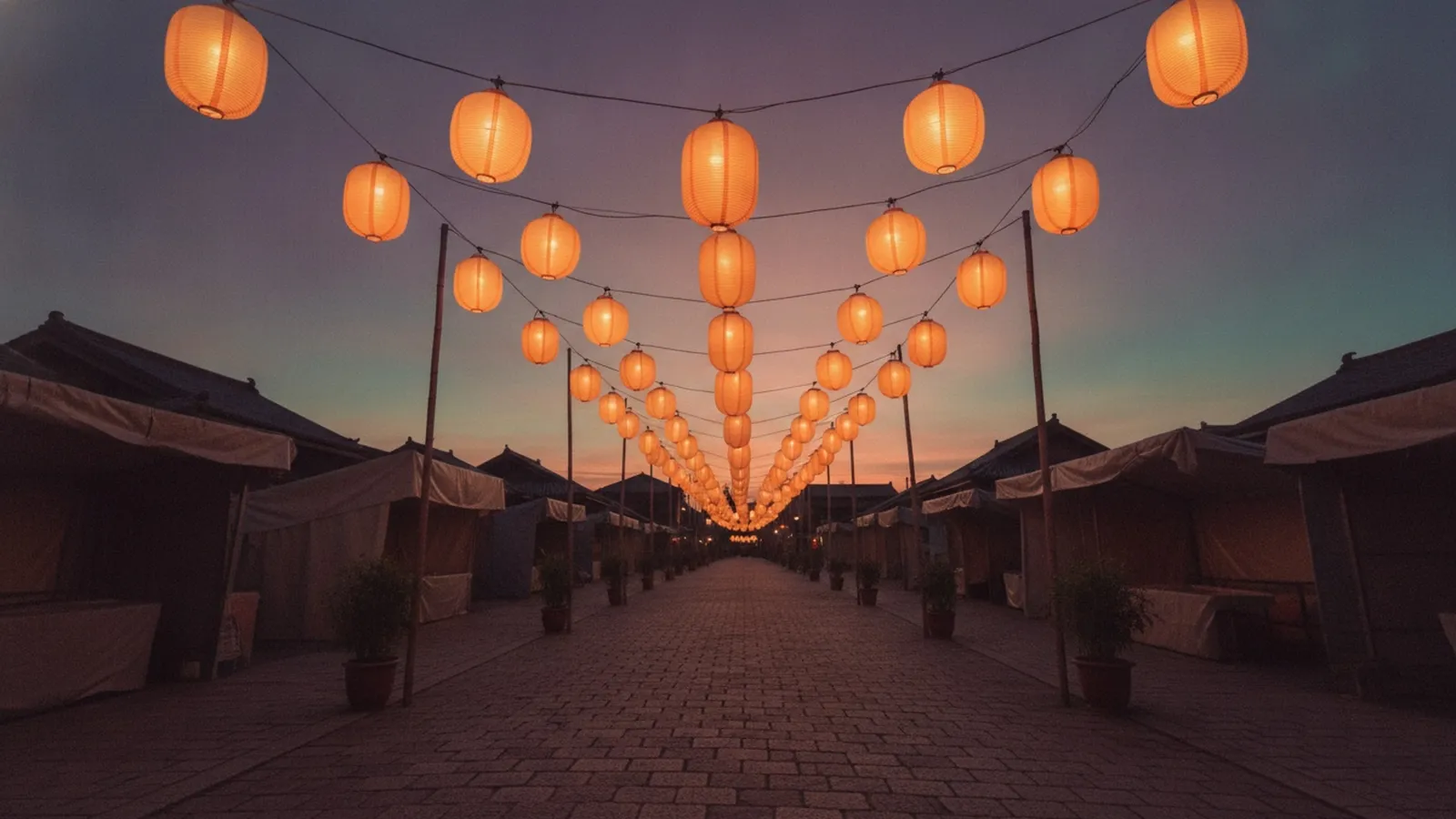
A neighborhood history exhibit, a film screening, or a translated book can give you an opening into something you’ve wanted to understand. Choose an experience with enough context to tell you who’s sharing it and what they want visitors to see. You’ll have a better visit if you arrive with one real question and give yourself time to follow what you find.
Start with an invitation you understand
Look through a library or community center calendar, the listings of a local cultural organization, or a small museum’s public programs. Choose something organizers explicitly invite the public to attend. A film with a discussion can be useful if you’re new to its subject. A public festival can be a way to hear music, see work people have made, or learn about an occasion you’ve encountered only by name.

Check what’s expected. Find out whether to book, whether spaces are set aside for particular parts of the gathering, and whether organizers have guidance about dress, photography, or participation. If the guidance is unclear, ask an organizer a specific question. During the event, follow the lead of people hosting it and ask before taking a close-up photo of a person or joining an activity you’re unsure about.
Learn enough context to ask a better question
Read a short introduction by someone connected to the work or event. A museum might have an interview with an artist. A cultural group might explain why it organizes a gathering at this time of year. A novel in translation may come with a short note about the place and time in which it’s set. Use such material to get your bearings and to notice where your first understanding is incomplete.
Give yourself a question you could answer from what’s in front of you. Who made this? When or where would someone use it? What did the director choose to show from this person’s point of view? If somebody is available to answer questions, stay close to the work or event they’re sharing. “Could you tell me what this part of the performance is called?” asks for something a host can choose to explain.
Consider the difference between an event with time for questions and a gathering where people are busy hosting. At a film discussion, the organizer may invite you to ask what the director was drawing on. At a festival, a short question at a welcome table may be easier to answer than one directed at a performer who’s preparing to go on. If you want a longer conversation, ask whether there’s a class, talk, or reading the organizers would point you toward.
Let one experience lead to a second voice
Imagine your library screens a film set in a place you’ve never visited. It includes a scene about an older person and a child who use different languages at home. Afterward, look for an interview in which the filmmaker talks about that scene. Then try a story by someone else from the place or community, perhaps from another generation. You may hear a point of view quite different from the first. Use that difference to sharpen your question.
A visitor can buy something from an artist, borrow a book, or contribute to a public event if the organizers offer a way to do so. You can also simply listen. A second visit, an essay by a participant, or a conversation at an organized discussion can give you something a quick encounter can’t.
Start with one event or work you can reach this month. Write down what you hope to learn, then leave room for another question to take its place. Afterward, note who made the experience available and what you’d like to explore next. That turns a single visit into the beginning of a more informed curiosity.