How to Plan a Year of Cultural Discovery
Plan a year of books, music, exhibitions and events that lead into one another, with the cost and time kept in view.


Start with four experiences you would enjoy putting on the calendar. A library book, a student concert, an exhibition, and a public event in a neighborhood you know little about are plenty for a first plan. You may end up with a year very different from the one you imagined. Leave time for a book or conversation to change your mind.
Choose things that can lead to one another
Give yourself a question or a loose theme for the next few months. If you’re curious about how a city grows, you could read a novel set there, look at early photographs, and visit a local history exhibit about housing or transport. If you want a change of pace, choose different themes for each season. The benefit of a theme is having enough context to notice a connection when it turns up.
There’s also room for something you know nothing about. Listen to a style of music you’d never choose from a playlist, or see a film in a language you’ve rarely heard. Pick one work and give it time. The next choice can come from the detail you remember.
Keep the cost and time in view
Choose a rough budget for the year and leave part of it available for something you discover later. A library loan or an online collection can give you a way to start without buying much. Local arts schools, libraries, and community groups may have public programs. Check dates, ticket rules, and access on the organizer’s site before making plans. If one concert is expensive, look for a short recital or choose it as the event you’re willing to save for.
Use travel time and energy when deciding what fits. A forty-minute visit to a nearby museum could give you as much to think about as an afternoon spent traveling to a larger one. Plan for a mix of things you can do at home and things worth going out for.
Try planning one season in detail
Suppose you want to understand what changes when a story moves from a book to a screen. In the first month, borrow a short novel with a film adaptation. In the second, watch the film and pay attention to one scene you remember well. In the third, try a library discussion, read an interview with the director, or compare your reaction with a friend’s. If the novel points you toward something unexpected, leave space to follow it in place of the thing you planned for the third month.
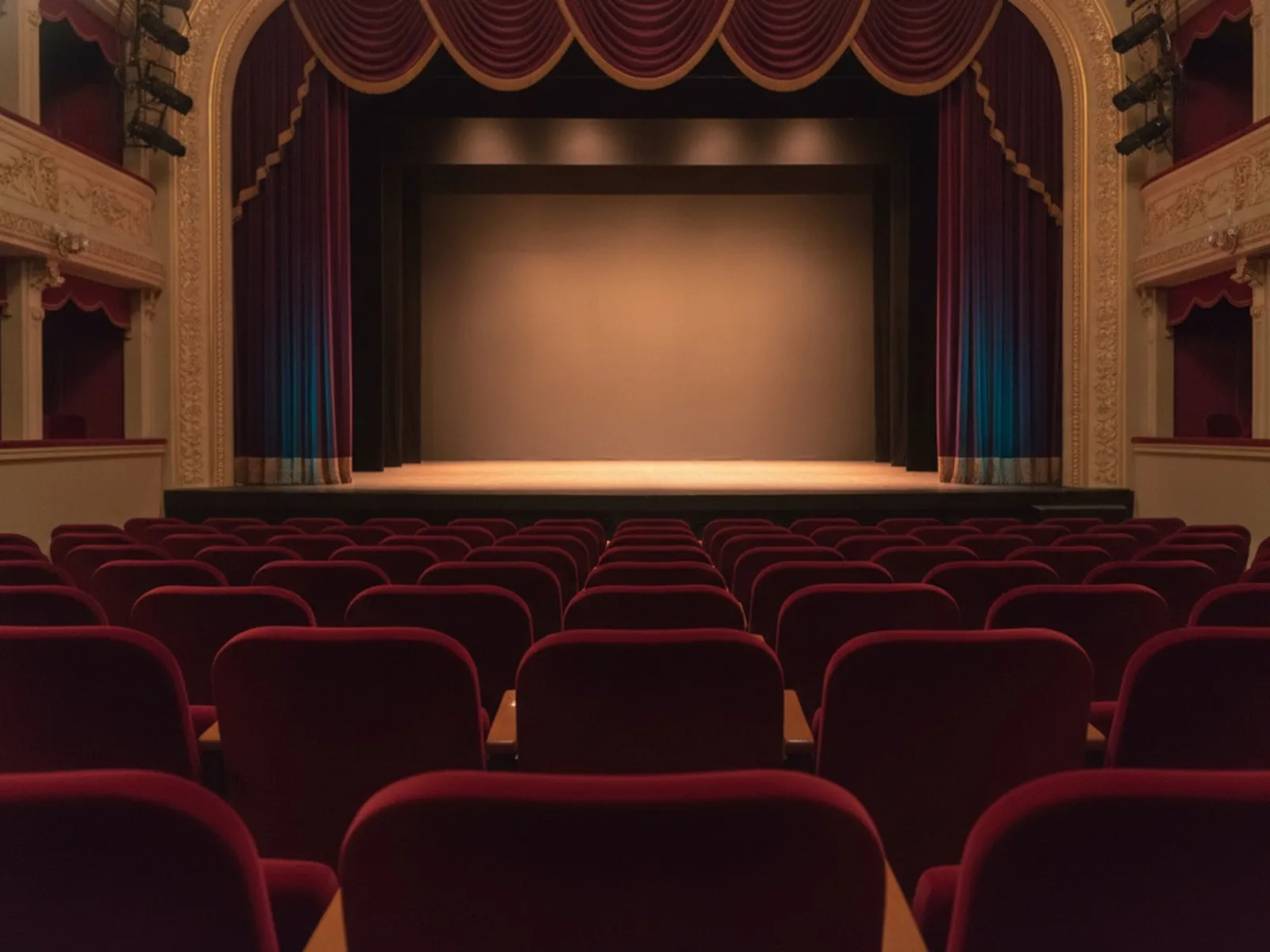
Invite people to join where you think they’d enjoy it. Give them enough information to decide, including the time and any cost. Keeping one activity you’ll do on your own makes the rest of the plan less dependent on matching schedules.
Put the options you haven’t chosen on a short list. If an exhibition closes or a screening sells out, you can fall back on a recording, a book, or another event you were already curious about. If something genuinely unusual comes up, give yourself room to move the original plan. Keeping a couple of possibilities open makes it easier to follow a new interest without having to start again from an empty calendar.
Give yourself a way to remember the year
Keep a small record of what you read, heard, or saw. Add one observation or question each time. By the end of a season, you may have a few ideas worth following or a clear memory of an experience you want to share. Let what stayed with you help shape the next season.
Choose the first event or work now. If it needs a ticket or a loan, find out how to arrange it. Mark when you’ll give it your attention and leave the week afterward open enough to see what you’d like to do next.